

Travelers I spoke with recommended the Qinghai–Tibet railway as one way to approach Lhasa. The high-altitude section uses oxygen-supplied trains. Breaking the journey in Xining can also give you time to rest before continuing, although altitude symptoms are still possible there.
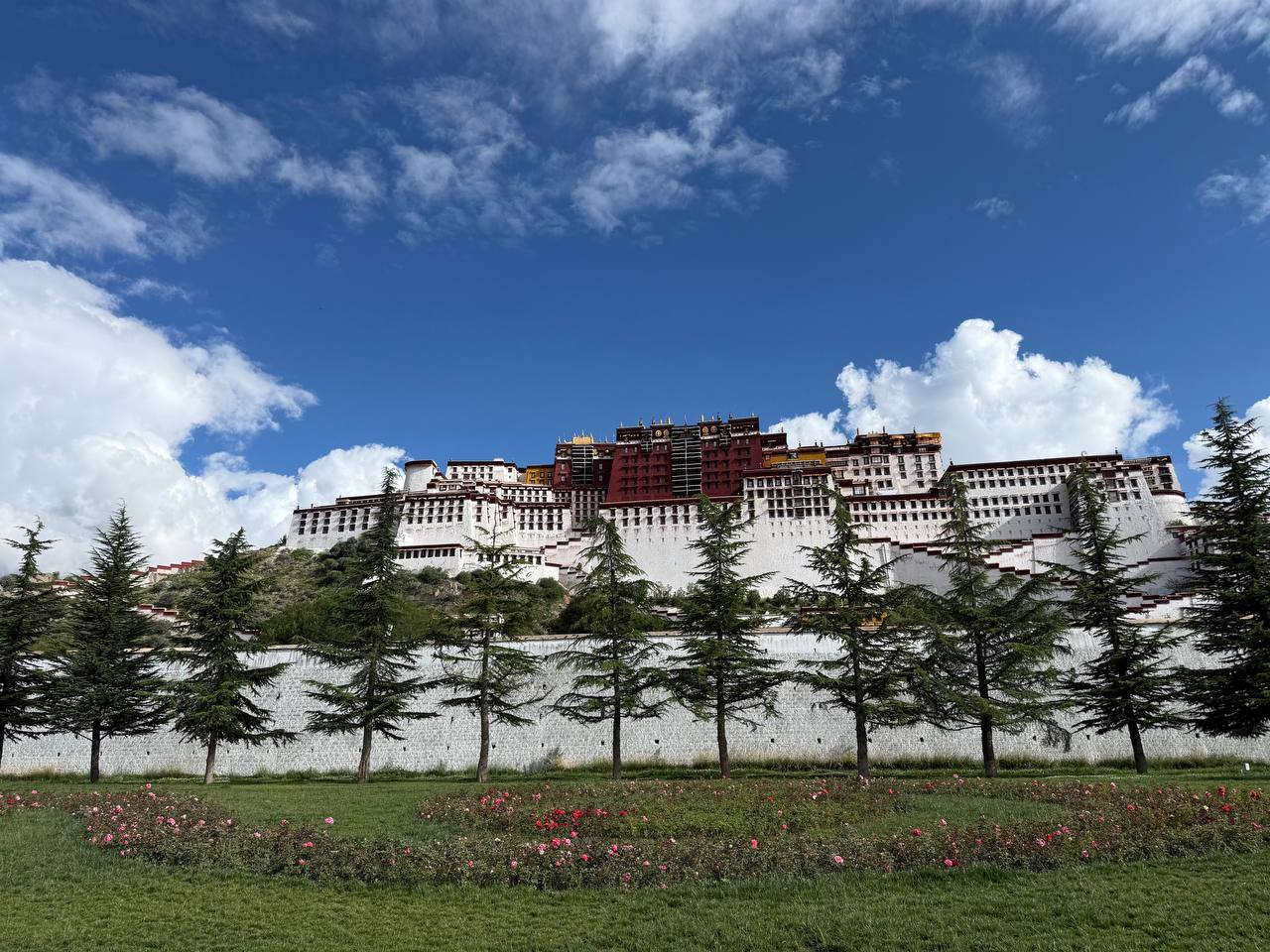
Once in Lhasa, take it easy for the first few days. Avoid carrying heavy luggage at a fast pace or immediately heading to places above 4,000 meters, such as Nagqu. Oxygen-equipped hotels may make a stay more comfortable, but oxygen should not be treated as a substitute for proper acclimatization.
Use gradual ascent and watch symptoms
The CDC Yellow Book advises gradual ascent. Above 3,000 meters (about 9,800 feet), limit increases in sleeping altitude to about 500 meters (1,650 feet) per night and add an acclimatization night for every 1,000 meters gained. Keep activity mild for the first 48 hours and avoid alcohol.
Do not climb higher while you have symptoms of altitude illness. If symptoms worsen, descend and seek medical help. Breathlessness at rest, confusion, or difficulty walking are urgent warning signs. Small tourist oxygen canisters do not provide reliable treatment for serious illness.
My original notes mentioned avoiding showers on the first day and assumed that most people would adapt to a 600-meter daily ascent. Those are not dependable prevention rules. The important factors are the pace of ascent, sleeping altitude, symptoms, and access to descent or medical care.
Adapted from the original Chinese article, published on September 3, 2026.
Comments NOTHING