

Short, animated explainers made with AI coding assistants have been all over Chinese social feeds lately. I've been using Claude Opus 5.5 with Remotion Agent Skills for this kind of video project, and the results have been better than my earlier approach of asking for HTML, Python, and captured frames.
Remotion Agent Skills give the coding assistant guidance for working on Remotion projects. The assistant writes and adjusts the video project, which Remotion renders; this doesn't turn Opus itself into a standalone video-generation model.
Install the skills
For Claude Code, the command from the original article is:
npx skills add remotion-dev/skills -g
The -g flag installs at the user level, making the skills available across projects. Leave it off for a project-level installation, as shown in Remotion's official guide. The skills CLI documentation explains the scope options.
The package also supports assistants such as Codex. You can inspect the skills in the GitHub repository and select the assistant you use during installation.
Describe the video you want
Once the skills are available, start with:
/remotion-create [your requirements]
Include the duration, subject, and visual treatment: for example, more data visualization, animated lines, plotted functions, or particle effects. Being specific gives the assistant a clearer direction.
The bundle also provides /remotion-studio for previewing a project and /remotion-render for exporting it. Creating a composition and rendering the final video are separate steps.
My results
I shared the finished examples in the comments of my Telegram channel rather than embedding the videos in the original post. Here's a screenshot of the result:
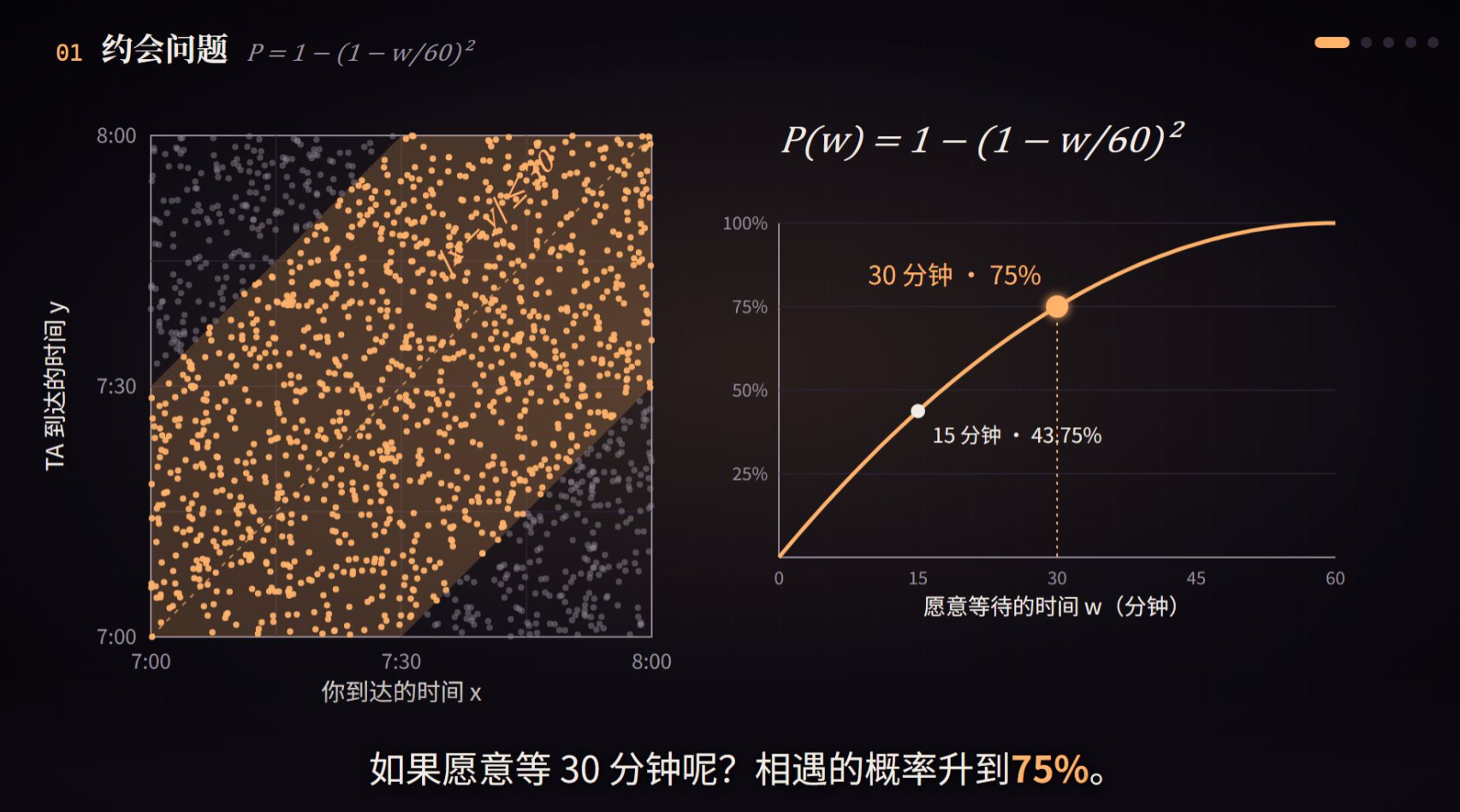
In my Claude Pro workflow, one five-hour allowance was usually enough for about four to six videos. That's my experience with these projects, rather than a guaranteed number: complexity, revisions, and other usage change how far an allowance goes.
Translated and clarified from the original Chinese article, published on October 14, 2026. The quality comparison and production figures are the original author's observations.
Comments NOTHING