

If you use Telegram actively and join many public groups, review the details your profile and messages expose. Telegram offers useful privacy controls, but it does not make an active public account impossible to identify.
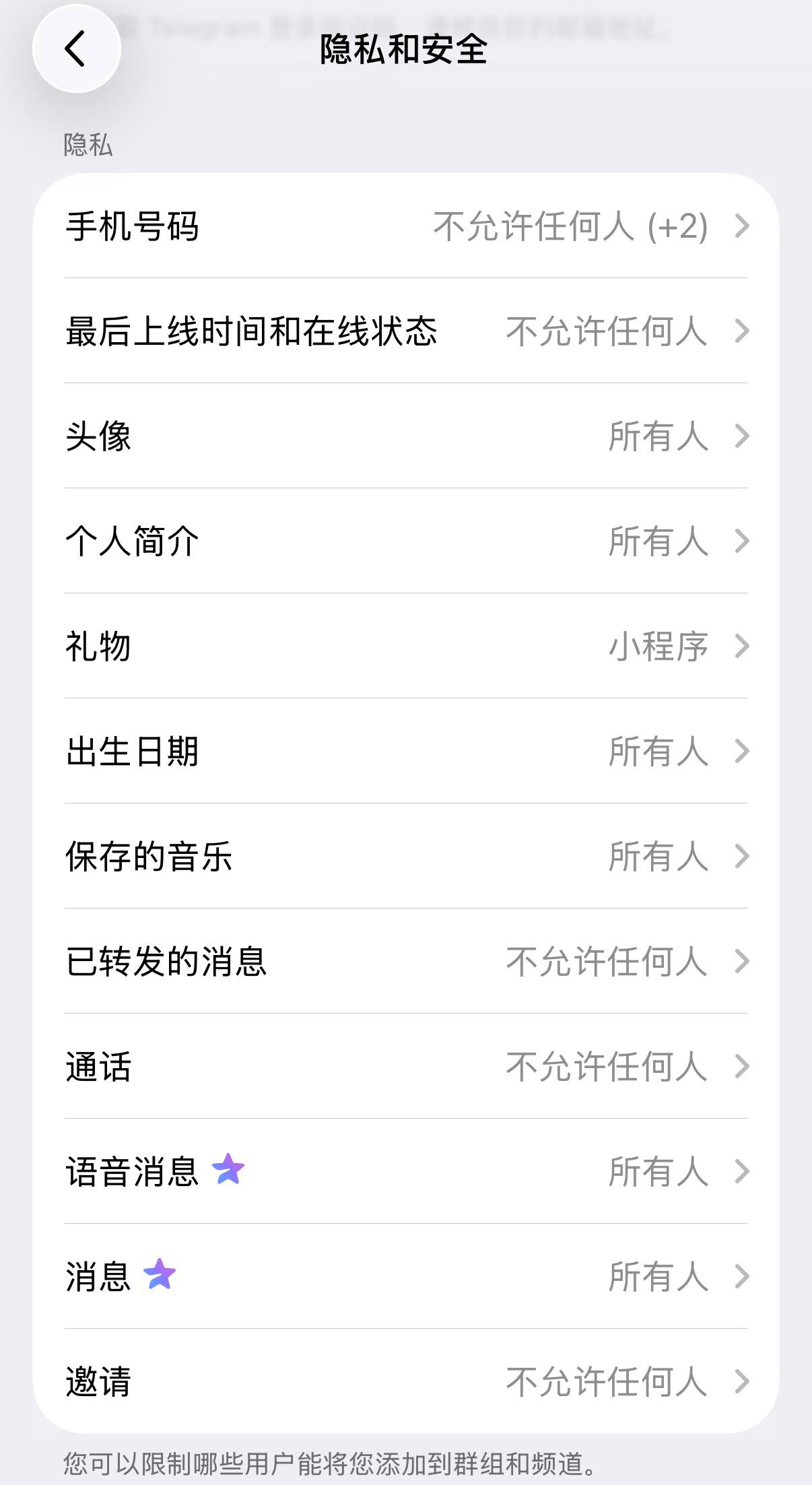
Settings to review
- Phone number: hide it from people who do not need it and review exceptions and discoverability settings. Do not assume adding someone as a contact has no privacy consequences.
- Last seen and online: limit who can see your activity. Where available, also review read-time visibility so strangers cannot easily infer your routine.
- Forwarded messages: restrict whether forwarded copies link back to your profile.
- Calls: allow only contacts or trusted exceptions if you do not want unexpected calls.
- Group and channel invites: avoid allowing everyone to add you. Friends can still send you an invitation link.
Public activity can connect identities
Messages in public groups can be collected and compared. Writing habits, interests, recurring locations, and the times you post may reveal more than any single profile field.
Shared links can also contain referral identifiers or tracking parameters that connect accounts across services. A link does not necessarily encode your IP address, but a tracking site can record the IP address of a visitor. Check URLs before sharing them publicly, especially if they identify a personal account elsewhere.
Keep public and personal identities separate where practical, and avoid posting material you would not want associated with your real identity. Ordinary Telegram cloud chats are not end-to-end encrypted; review the service's security model rather than treating every chat as anonymous.
Adapted from the original Chinese article, published on June 13, 2026.
Comments NOTHING