

Introduction: The Euphoria in Your Ears
In an era of relentless notifications and high-pressure living, the world has found a silent sanctuary: ASMR. Short for Autonomous Sensory Meridian Response, it’s that mysterious, pleasant tingling sensation that starts at your scalp and ripples down your spine, leaving a trail of "euphoria" in its wake.
But ASMR is no longer just a niche internet curiosity. It has evolved into a massive digital economy, bridging the gap between therapy, entertainment, and social connection.
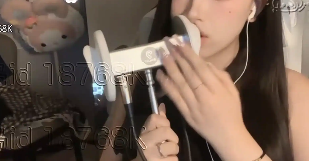
1. Who is Listening? (The Digital Demographic)
Data shows that the "tingle" seekers are predominantly young. The core audience falls between 18 and 30 years old, with a majority being male, though female viewership is rapidly rising.
Interestingly, there’s a noticeable trend toward younger Gen Z and Alpha audiences seeking stress relief via auditory stimuli. For these digital natives, ASMR is the "digital lullaby" of the 2020s, used primarily to combat insomnia and anxiety.
2. A Brief History: From Taboo to Mainstream
The journey of ASMR has been anything but quiet:
- 2007 - The Awakening: ASMR first surfaced on the fringes of the web, often misunderstood and labeled as "brain orgasms."
- 2016 - The Global Expansion: Platforms like YouTube and Bilibili saw a surge in creators. In China, early adopters found a goldmine in this "gray area" of content before regulations tightened.
- 2020 - The Billion-View Milestone: During the pandemic, ASMR became a survival tool. Top creators in Japan and Korea saw their cumulative views surpass 1 billion, cementing ASMR as a cornerstone of modern media.
3. The "Immunity" Trap and the Evolution of Content
A fascinating phenomenon in the ASMR world is "Tingle Immunity." As listeners become habituated to certain triggers (like tapping or whispering), they require more diverse or intense stimuli.
This has led to a split in the industry:
- Pure Tech & Innovation: Creators using high-end 3Dio microphones and cinematic storytelling.
- The "Borderline" Edge: A rise in "Benefit" or adult-leaning content on platforms like OnlyFans or Afdian, as creators chase higher profitability through exclusivity.
Note: The spectrum of ASMR is vast—ranging from simple object tapping to complex "ear-licking" or role-play storytelling. This diversity is what keeps the $1 billion industry alive.
4. Global Footprint: A World in Need of Sleep
Today, ASMR is a truly international language. Whether it's YouTube in the US, TikTok in France, or Bilibili in China, the demand for "healing sounds" is universal.
- Mainstream Hubs: YouTube, TikTok, Twitch.
- Niche & Premium Hubs: Fantia (Japan), Afdian (China), and Patreon.
Conclusion: The Future of Auditory Healing
As we look toward 2026, ASMR is integrating with AI and VR. Imagine an AI-generated ASMR companion that adjusts triggers based on your real-time heart rate. The industry is no longer just about sounds; it’s about a global movement toward mental wellness in a noisy world.
Comments NOTHING